Prevention and treatment Periodontal Disease
Periodontal disease is a common condition that affects the gums and bone supporting your teeth. Learn how it develops, how it progresses, and what you can do to protect your oral health.
What is periodontal disease?
Periodontal disease, also known as gum disease, is an inflammation and infection of the gums and supporting structures around the teeth. It’s one of the leading causes of tooth loss in adults and often develops with little or no discomfort, making it easy to overlook in its early stages.
Approximately 60% of adults experience some form of periodontal disease. While it can be successfully managed, it is considered a lifelong condition that requires ongoing care to maintain oral health and prevent future complications. Several factors can increase the risk of developing gum disease, including smoking, diabetes, hormonal changes, genetics, cardiovascular disease, certain medications, and inadequate oral hygiene.
What causes periodontal disease?
The primary cause of gum disease is bacteria that accumulate on the teeth and along the gumline. When plaque is not removed through regular brushing, flossing, and professional cleanings, it can harden into tartar. Unlike plaque, tartar cannot be removed at home and must be professionally cleaned from the teeth. As bacteria continue to build around the gums, inflammation develops and periodontal disease can begin to progress. Early treatment is important because gum disease becomes more difficult to manage as it advances.
Gingivitis: the early stage
Gingivitis is the earliest stage of periodontal disease. While it is often painless, there are several warning signs that shouldn’t be ignored. Gums redden, swell, and become prone to bleeding from normal activities, such as brushing or eating. Other common symptoms include chronic halitosis (bad breath), sensitive teeth, and difficulty or pain with chewing. The good news is that gingivitis is often reversible when identified and treated early. Without treatment, however, it can progress to a more serious condition known as periodontitis.
Periodontitis: advanced gum disease
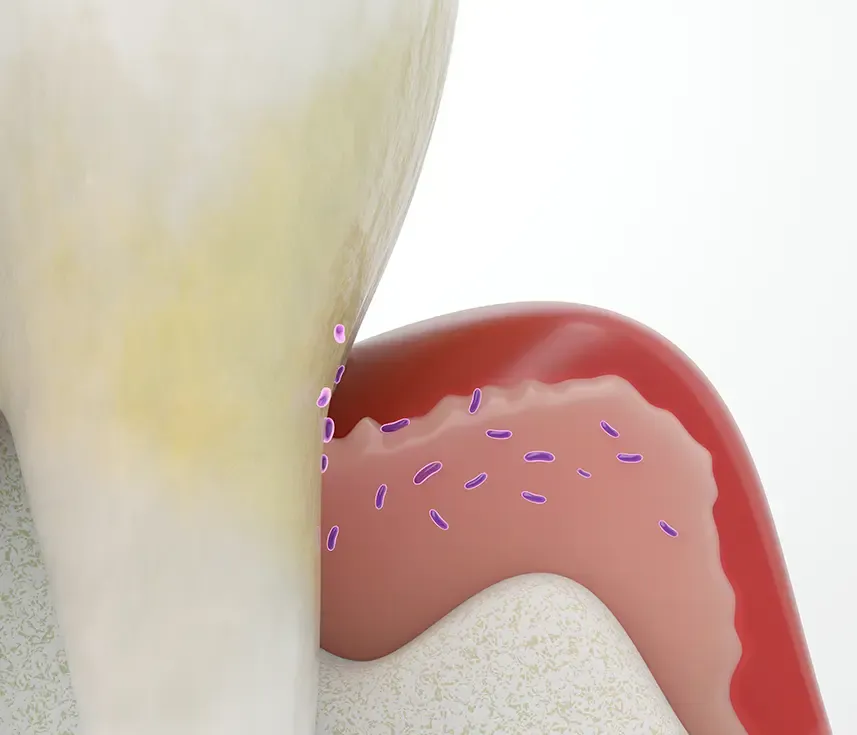
Periodontitis occurs when inflammation and infection begin affecting the deeper structures that support your teeth. As the disease progresses, gums may pull away from the teeth, creating spaces known as periodontal pockets where harmful bacteria can thrive. Gum tissue may also begin to recede, exposing tooth roots and increasing sensitivity. Left untreated, periodontitis can result in damage to the gums, bone, and connective tissues that hold teeth in place, eventually leading to tooth loss.
Preventing periodontal disease
Good oral hygiene is the best defence against periodontal disease. Brushing twice daily, flossing once a day, and attending regular dental examinations and professional cleanings can significantly reduce your risk.
For patients with existing periodontal disease, ongoing periodontal maintenance appointments are often recommended. These specialized cleanings help control bacteria below the gumline and play an important role in protecting long-term oral health.
Early detection and routine care can make a significant difference in preventing gum disease from progressing and preserving your natural smile.