Expert treatment Periodontal Pockets
Periodontal pockets are spaces that form between the teeth and gums as gum disease progresses. Specialized treatment can help reduce these pockets, stabilize oral health, and protect your teeth from further damage.
What are periodontal pockets?
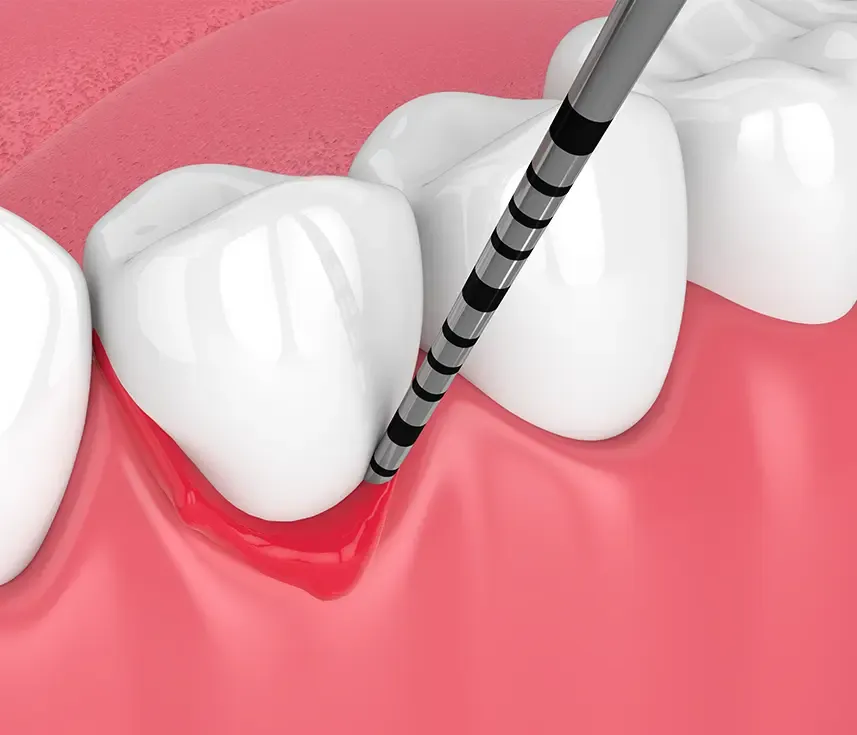
Healthy gums fit snugly around your teeth. When periodontal disease advances, the gums can begin pulling away from the teeth, creating small spaces known as periodontal pockets. These pockets allow harmful bacteria to collect deep below the gumline, where regular brushing and flossing can no longer effectively clean. Over time, this bacteria can continue damaging the gums, bone, and tissues supporting your teeth.
As pocket depths increase, maintaining oral health becomes increasingly difficult without professional treatment. Left untreated, periodontal pockets can contribute to gum recession, bone loss, loose teeth, and eventually tooth loss. The primary goal of periodontal pocket treatment is to reduce bacteria, stabilize the surrounding tissues, and create an environment that is easier to keep clean and healthy long-term.
Non-surgical treatment
Many periodontal pockets can initially be treated with non-surgical therapy designed to remove bacteria and inflammation below the gumline.
Scaling and root planing
Scaling and root planing is a specialized deep-cleaning procedure that removes plaque, tartar, and bacterial toxins from the root surfaces within periodontal pockets. The roots of the teeth are carefully smoothed to discourage further bacterial buildup and help the gums heal more effectively. Because root surfaces and pocket anatomy can be highly complex, this treatment requires specialized training and precision to perform properly.
Antimicrobial treatment
Because periodontal disease is bacterial in nature, antimicrobial therapies may sometimes be used alongside scaling and root planing to help control infection. Treatment may include oral antibiotics, antibacterial rinses, or medication placed directly into infected pockets. Not every patient requires antibiotics, and recommendations are based on the severity and nature of the condition.
Periodontal maintenance
Once periodontal disease has been stabilized, ongoing periodontal maintenance appointments help keep harmful bacteria under control and reduce the risk of recurrence. These specialized cleanings are typically recommended every two to six months depending on your needs. Dr. Matheson will customize a maintenance schedule designed to support your long-term periodontal health.
Surgical treatment
In some cases, periodontal pockets may not respond fully to non-surgical therapy alone. Surgical treatment may then be recommended to access deeper areas of infection, repair damaged tissues, and create a healthier environment around the teeth.
Pocket reduction surgery
Pocket reduction surgery is performed when deep pockets remain after non-surgical treatment. During the procedure, the gum tissue is gently moved away from the teeth so infected areas can be thoroughly cleaned and damaged tissue addressed. The goal is to reduce pocket depth so the area becomes easier to clean and maintain at home and during professional hygiene appointments. This plays an important role in stabilizing gum health and slowing disease progression.
Regenerative therapy
Regenerative therapy is an advanced treatment approach designed to help rebuild gum and bone tissue damaged by periodontal disease. Using specialized materials and growth factors, regenerative procedures encourage the body to regenerate lost supporting structures around the teeth. Not every patient is a candidate for regeneration, and treatment recommendations depend on the location and severity of the damage.